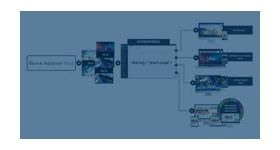
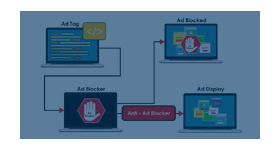
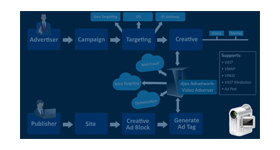
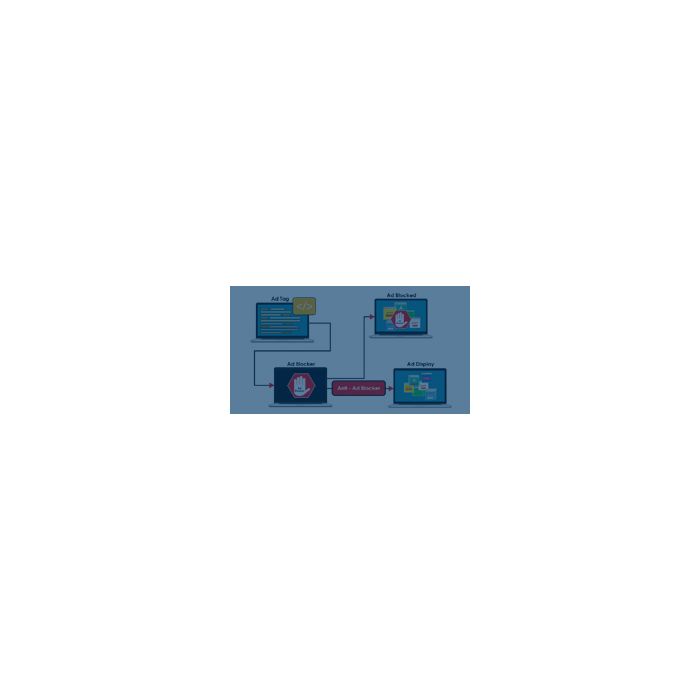
Anti-ad blocker plugin for Revive Adserver is a crucial plugin that helps to curb ad blocks. A Direct Invocation tag blocked by ad block extensions is not a problem anymore. The plugin is capable of delivering default revive ad banners when the ad blocker extensions are enabled in the browser.
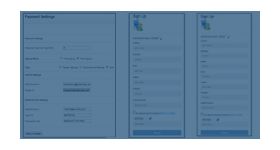
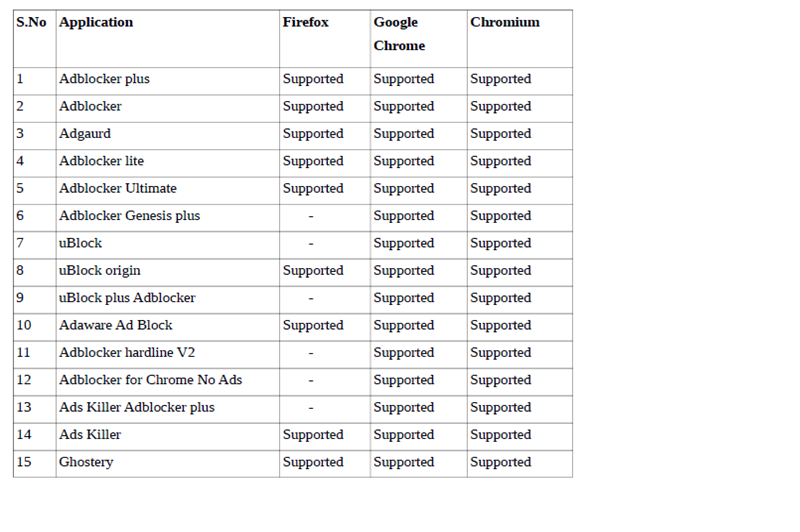
The configuration of the plugin is a onetime process and it will work perfectly for all below-listed browsers. This will ensure the delivery of ads after bypassing the ad blocker. This helps the publisher to recover lost revenue due to ad blockers.
The plugin available is capable of handling the browser extensions that prevent the display of creatives.
Benefits
Increases revenue for both the publisher and advertiser
Supports all the tags available in the Revive adserver
Enhances creative display options
Help recover lost revenue caused by ad blockers.
Note: This feature can be enabled to custom ad formats implemented by reviveadservermod.com as custom service.
Frequently Asked Questions
How significant is ad blocker adoption, and why does it specifically affect self-hosted Revive Adserver installations?
+
Ad blocker adoption among desktop internet users in developed markets ranges from 25% to 40% depending on the audience and territory, representing a substantial portion of ad inventory that goes unmonetised without anti-blocking measures. Self-hosted Revive Adserver installations are particularly affected because Direct Invocation tags and the default ad delivery scripts use predictable URL patterns and JavaScript function names that ad blocker filter lists specifically target. Large ad networks like Google have the resources to continuously rotate delivery endpoints; self-hosted publishers do not, making them more consistently blocked.
What delivery mechanism does the plugin use to bypass ad blockers does it serve ads from a first-party domain?
+
The plugin re-routes ad delivery through a first-party domain pathway, serving ad content from the publisher's own domain rather than from the ad server's default delivery scripts and URLs that ad blockers recognise and filter. Since ad blockers primarily operate by blocking known third-party ad server domains and script patterns, serving ads via the publisher's own domain substantially reduces blocking rates. This approach is consistent with industry-accepted ad recovery techniques and does not involve deceptive practices.
Does this plugin work with all browser-based ad blockers, or only specific extensions?
+
The plugin is designed to bypass the most widely used browser ad blocking extensions including uBlock Origin, AdBlock, AdBlock Plus, and similar filter-list-based blockers on Chrome, Firefox, Chromium-based browsers, and other major browsers. Advanced ad blockers that use DNS-level blocking (such as Pi-hole or browser-level DNS filtering) operate at a different layer and are not addressable through this plugin. The plugin specifically addresses the large majority of cases where standard browser extension-based blocking is in use.
Is using an anti-ad-blocker plugin compliant with ad blocker filter list policies and browser extension policies?
+
Ad blocker bypass techniques that use first-party domain routing and standard ad delivery are generally within acceptable use and do not violate browser extension terms of service, since the plugin modifies the server-side delivery, not the browser extension. The Acceptable Ads standard maintained by Eyeo (the company behind AdBlock Plus) provides a framework for serving non-intrusive ads that are whitelisted by default in AdBlock Plus. Publishers using this plugin alongside IAB-compliant, non-intrusive ad formats are operating within accepted industry norms.
What measurable revenue recovery can publishers expect from deploying this plugin?
+
Revenue recovery depends on the publisher's ad-blocked traffic proportion and their existing CPM rates. A publisher with 30% ad-blocked traffic and an average CPM of $2.00 can theoretically recover up to 30% of lost display revenue for those previously blocked impressions. In practice, recovery rates depend on the specific ad blockers used by the audience and the implementation quality of the first-party delivery pathway. Publishers in tech, gaming, and developer-focused niches, which tend to have higher-than-average ad blocker adoption, typically see the strongest revenue recovery impact.